
If you are thinking about or are trying to become pregnant, there are many factors which may affect your fertility. Some of these may be outside of your control or require intervention; while others can be influenced by your lifestyle choices. Here’s a brief look at some of the common problems affecting people’s fertility:
Polycistic Ovarian Syndrome (PCOS): So-named because of the typical prevalence of cysts on the ovaries, women with PCOS can often experience irregular periods, reduced fertility, hormonal imbalances and insulin resistance. There’s a whole wide range of symptoms associated with it and the exact cause is still unknown. It’s becoming increasingly common and is perhaps one of the leading causes of infertility.
Endometriosis: This condition is when the tissue usually lining the uterus (called the endometrium) is found outside the uterus, usually in the pelvic cavity. Common symptoms include irregular and painful periods, reduced fertility, painful intercourse and abnormal bleeding. Diagnosis can be difficult and the exact cause is unknown, although you are more likely to have it if it’s in your family history.
Scarring: Particularly, scarring of various productive organs, such as the uterus or fallopian tubes. Scarring of the fallopian tubes can inhibit the travel of the eggs to the uterus, while uterine scarring can cause difficulties with embryo implantation. Commonly the scarring is either from disease (like Pelvic Inflammatory Disease), or from surgical procedures (such as termination of a pregnancy).
Blocked Fallopian Tubes: The Fallopian tubes transport the mature egg from the ovary to the uterus. Blockages inhibit the travel and fertilisation of the egg. Blockages can be caused by scarring (see above), endometriosis (see above), or ectopic pregnancy (when the fertilised egg implants incorrectly in the fallopian tube).
Age: Fertility naturally increases and decreases over our life span, and this is true of both men and women. Men’s sperm count and quality tends to significantly decrease after 40. Women’s fertility is usually considered to start declining at around 35, when chances of fertilisation and carrying to term decline, and of course women are no longer fertile after menopause.
Weight: Again, this can affect both men and women. Obese men are more likely to suffer from erectile dysfunction and sperm quality and quantity issues. Obese women are less likely to carry pregnancy to full term.
These are just some of the common factors affecting fertility, and there are plenty more. If you have any questions or are considering attempting to conceive, talk to your health care provider. If you have questions regarding acupuncture for fertility, check at www.ahpra.gov.au to ensure your practitioner is registered, or you can check www.bluemountainsacupuncture.com to contact me!
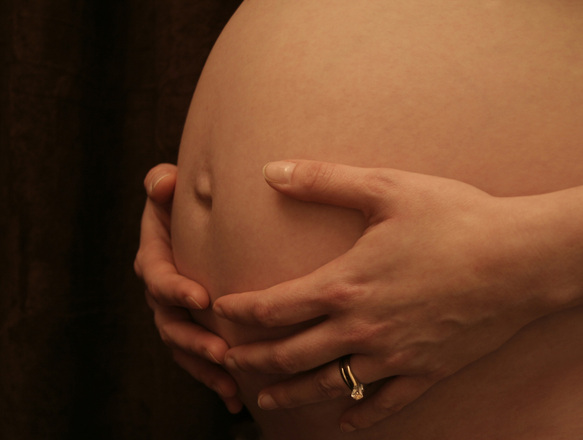
factors affecting fertility